

Axelera AI seeks integrators in Mexico with 45-watt inference chips
Axelera AI is seeking integrators in Mexico for Edge inference chips: 629 TOPS at 45 watts and partnerships in Querétaro. Here is what a local partner weighs.
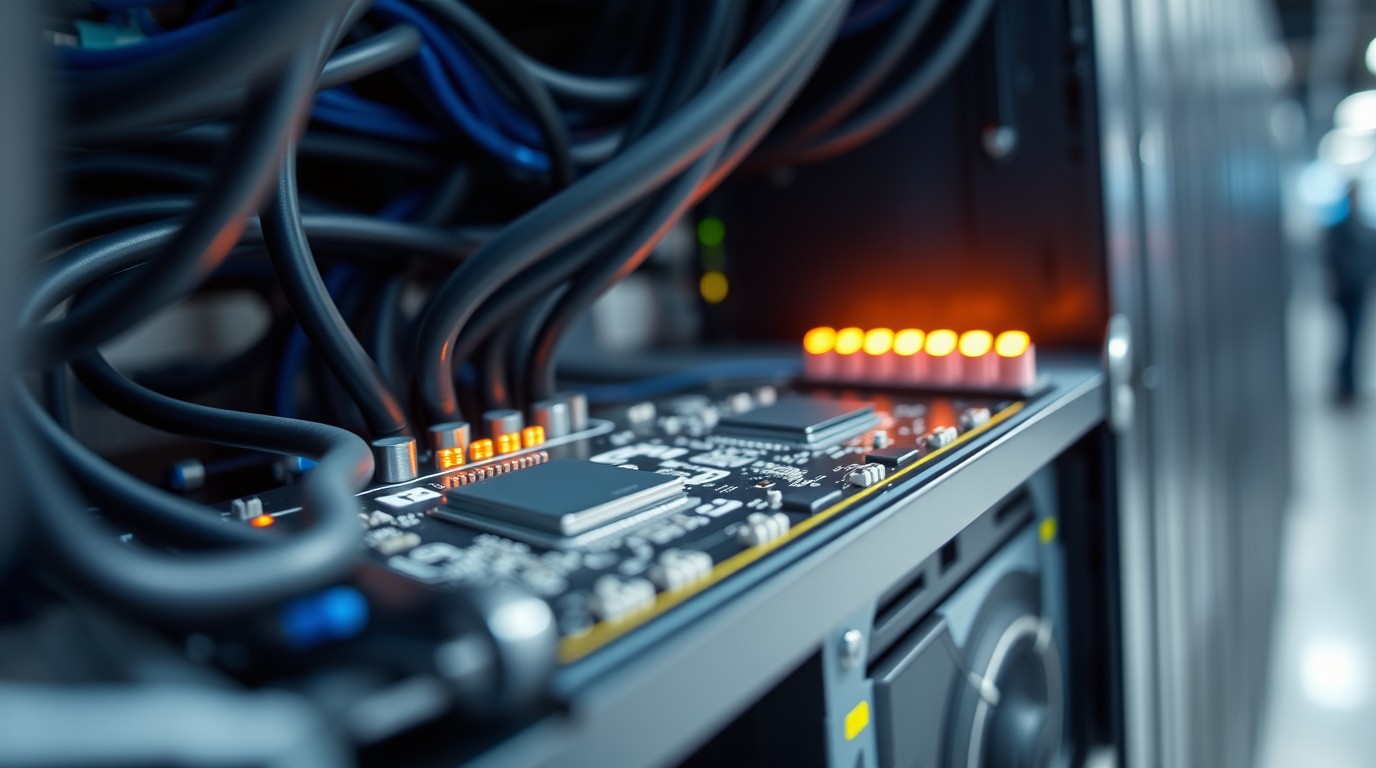
The Dutch company Axelera AI began on October 19, 2026 a tour to establish itself in Mexico with inference processors for the Edge, among them the Europa chip, which according to the company reaches 629 TOPS with 45 watts of consumption. The offering targets integrators and software developers, not the end user.
Axelera AI, founded in 2021 and with 450 million dollars raised in total, operates in 20 countries and holds more than 50 patents, DPL News reported. The firm says its technology has been validated by more than 600 industrial clients, integrators and manufacturers, among them Bosch, Dell, Advantech, Thales, Safran and Telefónica. Its Mexican expansion is articulated in Querétaro, where it expects to formalize alliances with the Public Research Center CIDESI, the BLOQUE initiative, the Holland House México Chamber of Commerce and the state government. For a local integrator, the appeal is concrete: to compete for AI projects without depending on the data center GPU quota that today concentrates a good part of the offering.
The portfolio includes Metis, for embedded systems, and Titania, aimed at data centers. Infochannel reports that the company's accelerator cards, according to its own figures, offer between two and eight times more performance than other technologies and up to ten times less energy consumption, with up to ten times less cost; the comparison depends on the workload and configuration. The Voyager SDK software is the path to port existing models. The company plans a Partner Accelerator Network, hackathons, educational alliances and demonstration cards so that partners can validate use cases before quoting.
The use cases the firm promotes are computer vision and quality inspection in manufacturing, footfall and inventory analysis in retail, and local computing where latency or privacy require that the data not leave the facility. Also the possibility of adding accelerators to already installed servers, without replacing the entire architecture.
The data leaves on the table the comparison that each operator faces with its own numbers: cost per inference versus CPU, GPU or cloud, compatible models and required latency. The alliances in Querétaro do not yet have published dates or investment commitments.
This article was written with the assistance of artificial intelligence from verified sources and reviewed by a human editor before publication.