

CNE approves six solar plants worth $750 million with 649 MW
The CNE approved six solar plants in Mexico with 649 MW and $750 million in investment; only six of 57 Sener applications met all the criteria.
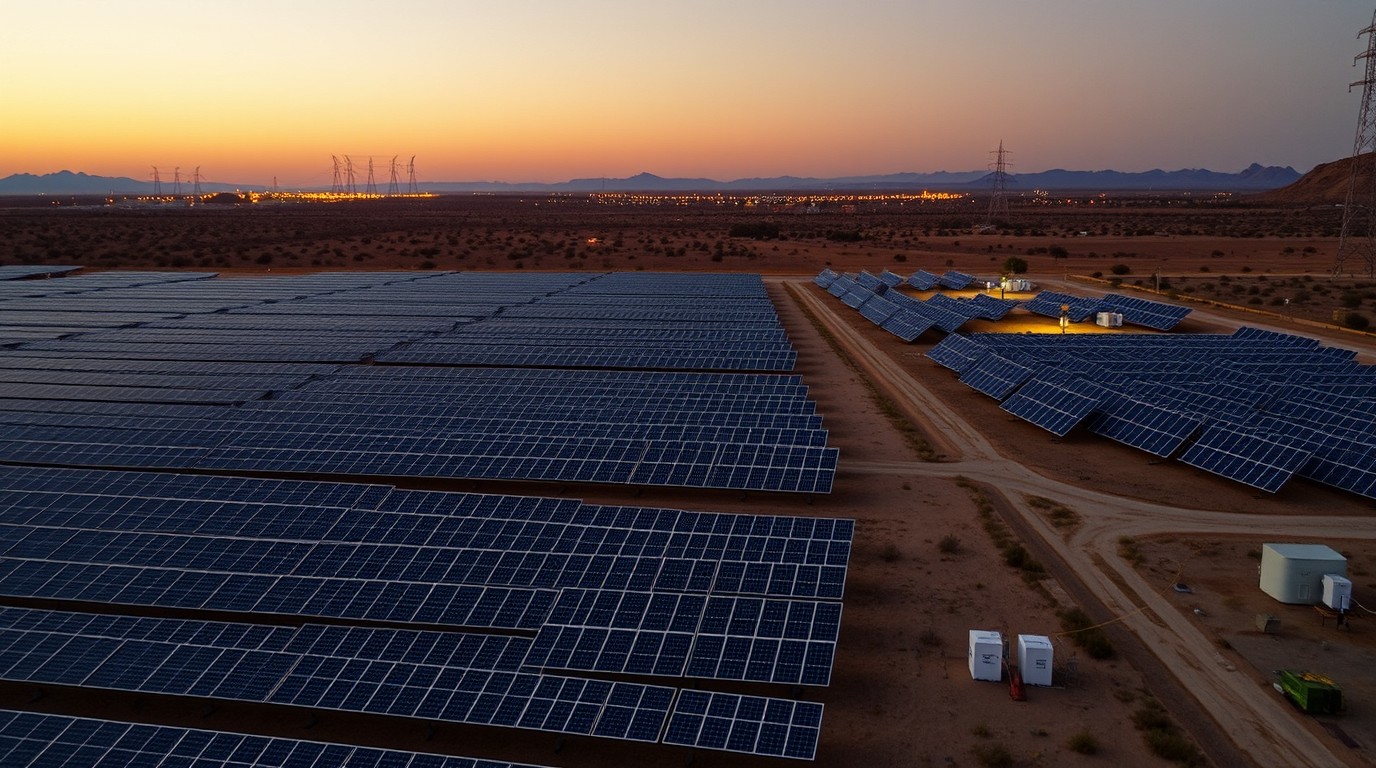
The National Energy Commission (CNE) approved six photovoltaic solar plants with 649 net megawatts and an investment of close to 750 million dollars, in the second generation permit round of the Ministry of Energy (Sener). Of 57 applications received, only six met all of the criteria.
The permits, dated November 5, 2026 and announced on Friday the 6th, were split among three developers. Green Park Energy, a Cox subsidiary, obtained three for projects in Aguascalientes, Jalisco and Guanajuato. Ammper Generación, of the Invex Controladora financial group, received two for Tlaxcala and Morelos, and Viva el Sol secured one for Coahuila. All will operate under the Wholesale Electricity Market generation figure. The round follows a first call in December 2025 in which Green Park, then in the hands of Iberdrola, also obtained two permits, according to Bloomberg Línea.
For a developer or a fund assessing the Mexican market, the central data point is the process conversion rate: 31 of the 57 applications met the initial requirements and only six completed all the criteria, according to Forbes México. Sener added that participation in this round does not prevent projects that were not approved from being considered in other rounds or through the conventional route. The plants total 751 megawatts of installed capacity and an estimated generation of 1,881 gigawatt hours per year, and they will incorporate storage systems whose capacity was not detailed.
The schedule for entry into operation is not immediate. 37% of the new capacity will enter operation in 2028 and the remaining 63% in 2029, with a regional split of 350 megawatts in the West, 289 in the East and 10 in the Northeast. La Jornada reported the approval of the six plants the same Friday. The official goal is to raise the share of renewables to 38% of electricity generation in 2030.
The file leaves two operational questions on the table: under what interconnection and storage conditions each plant reaches construction, and how many of the projects that were not approved will try again through the conventional route. The first hard data point of the round is already written.
This article was drafted with the assistance of artificial intelligence from verified sources and reviewed by a human editor before publication.