

Sectur projects 1.69 million hotel tourists for Día de Muertos 2026
Sectur forecasts 1.69 million hotel tourists from October 26 to November 2 and a rise of more than 5% in the economic spillover. Here are the key figures.
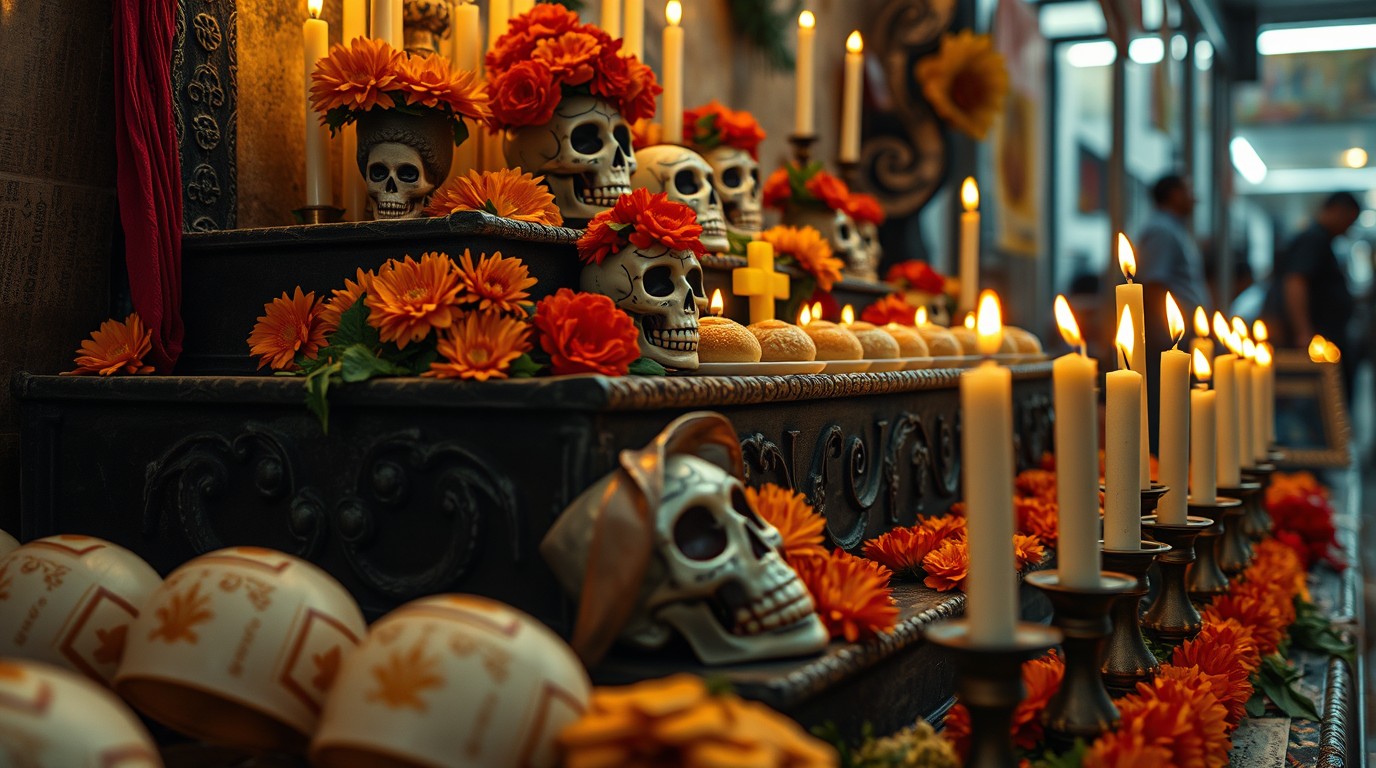
On October 15, 2026, the Ministry of Tourism (Sectur) projected the arrival of 1.69 million tourists to hotel rooms during the Día de Muertos season, from October 26 to November 2, a rise of 1.2% compared with the same period in 2025.
Tourism Secretary Josefina Rodríguez Zamora presented the estimates at the morning press conference on October 15, according to Animal Político. At the same event, El Universal recorded a forecast of 2.5 million visitors for the celebration, 1.9% more, a figure distinct from that of hotel guests. El Universal also reported a record 67.7 million international travelers between January and August, 6.3% more than in 2025. For an operator, the season concentrates demand in flower shops, craft workshops, restaurants, transport providers and independent hotels, which in two weeks sell part of what takes them much longer in other months. The celebration also opens the calendar in states with a craft tradition, such as Michoacán, Puebla, Aguascalientes and San Luis Potosí.
Of the total guests projected, 1.25 million (74%) are domestic and around 450,000 (26%) are foreign. Average hotel occupancy is estimated at 58.9%, 0.8 percentage points more than in 2025, with 70% to 80% in the highest-demand destinations, according to El Informador. The Ministry calculates growth of more than 5% in the economic spillover of the production chain, although it did not publish an absolute amount in pesos, so businesses have no reference for average spending. The official promotion brings together more than 200 experiences on the Visit México platform. On the calendar, the Festival de Calaveras in Aguascalientes runs from October 30 to November 8; the Noche de Muertos in Michoacán, from October 23 to November 2; and the Festival de la Luz y la Vida in Chignahuapan, from October 30 to November 2.
The data leaves an operational question on the table: how much of that 5% growth reaches small businesses and how much is concentrated in formal hospitality and transport. With the calendar already under way, the season is measured in inventory, shifts and collection capacity, not only in visitors.
This article was written with the assistance of artificial intelligence from verified sources and reviewed by a human editor before publication.