

Day of the Dead festivals activate 300 options and 53 billion pesos in economic impact
Sectur expects 1.69 million tourists and Concanaco projects 53 billion pesos in spending for Day of the Dead; Xantolo in Coyoacán and Catrinas define the season.
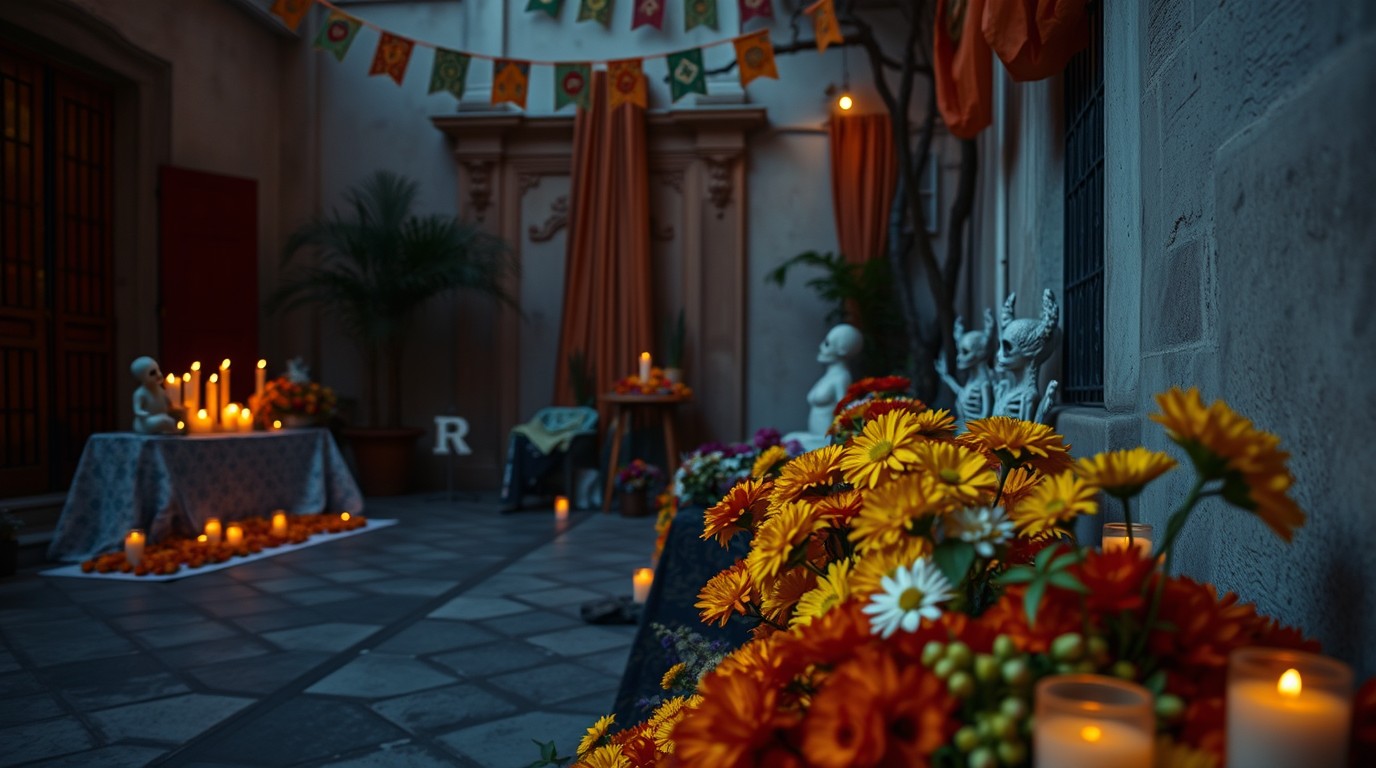
From October 30 to November 2, 2026, Day of the Dead festivals in Coyoacán, Playa del Carmen and other states concentrate the final stretch of a season in which the federal Secretariat of Tourism expects 1.69 million tourists in hotel rooms, according to its October 16 statement.
The agency projects national hotel occupancy of 58.9 percent, versus 58.3 percent in 2025, and a lineup of about 300 tourism options across the country, according to the same official release. Of the total hotel tourists, 1.25 million are domestic and 450,000 are foreign, a rise of 1.2 percent compared with the 1.67 million of 2025. The Confederation of National Chambers of Commerce, Services and Tourism (Concanaco Servytur) estimates total spending of 53 billion pesos between October 25 and November 2, 7 percent more than in 2025, according to El Economista. For a lodging, food or retail operator, the season compresses demand into a few days and forces decisions on inventory, shifts and pricing well in advance.
The Xantolo Festival at Casa Snowapple reaches its third edition this October 31 and November 1 in Coyoacán, with free admission, 13 artists, comparsas and street tours. The venue sustains itself with private funds, nonprofit organizations, embassies and renting the property to companies. The Catrinas Festival at Hotel Quinta Real opened on October 30 and runs through November 8 with an altar and large-format catrinas. In Playa del Carmen, the twentieth edition of the Festival of Life and Death brings together 127 artists and 78 performances from October 30 to November 2. In Mexico City, Canaco estimates spending of 12 billion 22 million pesos, 5 percent more than in 2025, and hotel occupancy of between 75 and 85 percent.
The data leaves open the question of how much of that spending stays with small businesses and whether the festival calendar extends the season beyond the peak weekend. For the cultural operator, the question is what share of the public that arrives for the date returns during the rest of the year.
This article was written with the assistance of artificial intelligence from verified sources and reviewed by a human editor before publication.
Sources
- México celebra sus tradiciones e invita a descubrir sus destinos en Día de Muertos
- Concanaco estima derrama de 53,000 millones de pesos por celebraciones del Día de Muertos 2026
- Festival Xantolo 2026: Casa Snowapple en Coyoacán y sus actividades
- Día de Muertos: con A la luz de las velas inicia el Festival de Catrinas 2026
- Guanajuato comparte tradiciones en el Festival de la Vida y la Muerte
- Canaco CDMX espera más de 12 mil mdp por Día de Muertos